Video has become a normal way to access information. A short clip communicates much more than an extensive page of text. Visual content is used to browse through social media feeds look up tutorials, browse through the latest product demonstrations, or even learn new skills. The problem has always been on the creation of. Professional video was a process that required equipment, editing capabilities, time and patience. That gap is now closing through AI video technology.
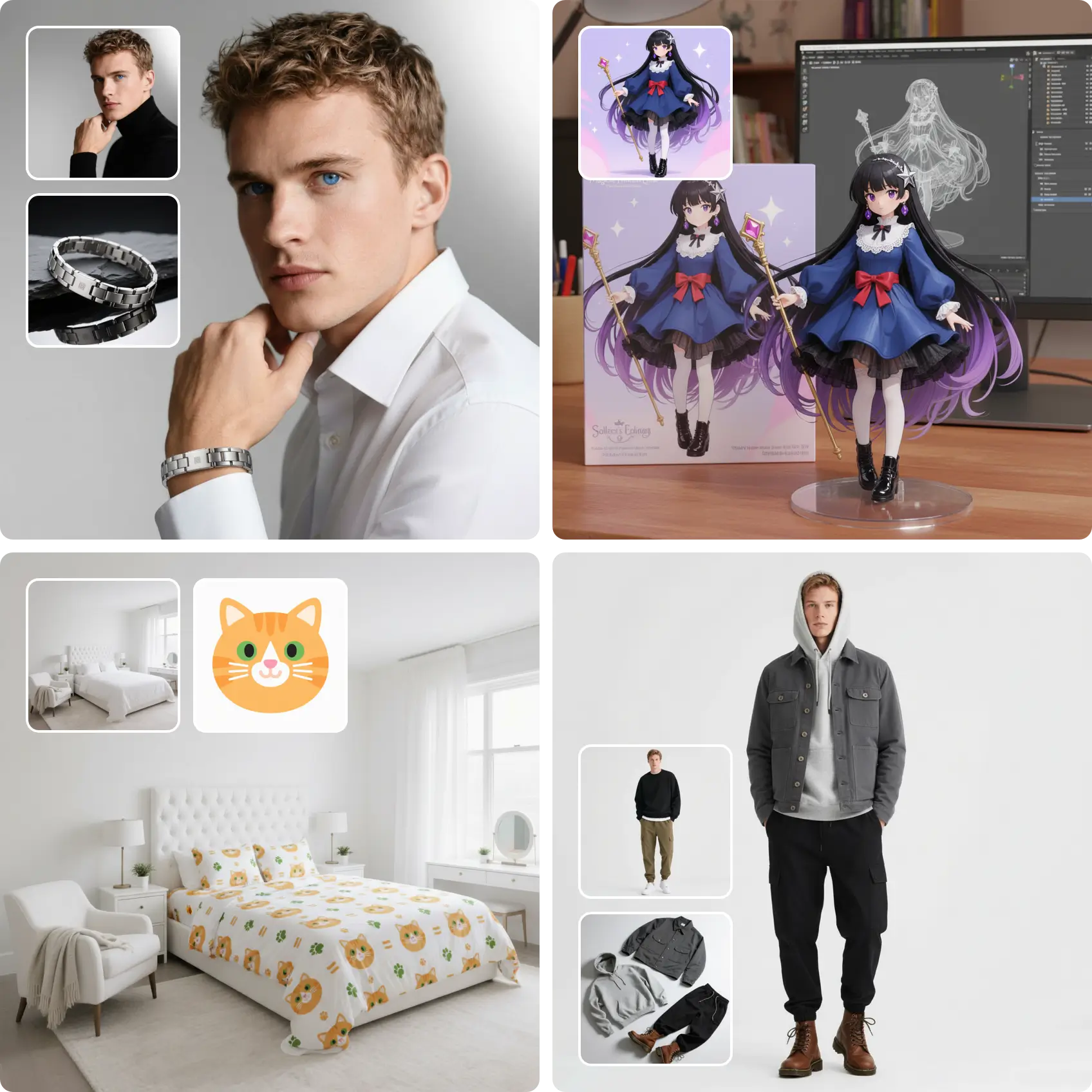
Image credit: vivideo.ai
Vivideo.ai allows anyone to make professional videos without technical experience. Instead of worrying about transitions, timelines or complex software users are able to focus on what they would like to convey. The system will handle the rest in the background.
The Video Creation Process A Different Approach
The standard video production process involves many steps. Planning, filming, editing, voice recording, exporting. Each stage requires equipment, personnel and funds. A AI video generator combines all this into a single stream. You describe your idea. The system creates a complete video of it.
Content creators are now a much greater number of people. Small-sized business owners are able to create marketing videos. Teachers create lessons. Coaches make training materials available to their students. Social creators are able to remain consistent without becoming exhausted. The editing process is more like writing.
Making Thoughts Visible
One of the most useful tools today is text to video. You paste a script. The AI will choose images to be in line with your message. Automatically, music will play. A natural voice narration follows. The end result would have required a complete production team to produce in the past.
It gets rid of any doubt. The people no longer have to are waiting for ideal conditions. They quickly test new ideas. They can improve their content on feedback. They are more prolific in publishing because the barrier to entry is lower.
Moving Still Images
Image to video is another powerful tool. Images are typically flat. AI introduces movement, time, visual flow. A few images turn into a story. An image of a product turns into a short promotional. Slides transform into a visual education.
This is ideal for telling stories for product launches, online presentations. You no longer need animation expertise. The system has the ability to create motions that are natural.
Editing Without Frustration
Traditional editing tools can be overwhelming for novices. Layers, timelines, formats confuse most people. AI platforms alleviate this stress. Users adjust the scene using easy controls. Users can alter the speed. They switch visuals. They alter narration.
Subtitles automatically appear in various languages. That helps reach wider audiences. Additionally, it enhances accessibility for viewers who prefer captions.
Voices That Sound Real
The AI voice technology has become such that it sounds human. You can choose the voice style the tone, and even the language. The voice is appropriate for the message. No microphone needed. No studio setup. No retakes.
Some platforms even include digital presenters. These avatars are animated and speak on the screen. They are great to convey training information or explainers, as well as business updates. It helps make the message feel personal without needing to film.
Quality without Compromise
AI-generated videos can be produced with high resolution output. The content can be shared for use on YouTube, TikTok Instagram, LinkedIn. Formats automatically adapt. You create once. You can share it everywhere.
It can save you time. The branding remains consistent on all platforms.
What makes AI video feel different?
It’s not an technical change that will make the most significant difference. It feels emotional. People have stopped worrying about tools. They focus on the ideas. They’re comfortable experimenting. They can create freely.
Vivideo.ai transforms video content into something that is more natural. You compose. You think. You publish. You make public.
It doesn’t replace creativity expression. It removes friction. It allows people to relate stories, impart lessons and knowledge without having to worry about the complex. The future of content is lighter, quicker, and more human.