Imagine the apps you have on your smartphone. You go through them each day without pondering the loops of habit. Your thumb knows precisely which direction to take. The reason for this natural and natural interactivity is a huge amount of human behavior and technical engineering. The modern user has no tolerance for digital friction; if your mobile’s screen fails to function for less than a second or takes too long to load weak mobile data, or fails to display the notification, it will be erased within minutes. For founders who have funding and corporate teams focusing on growth, the stakes couldn’t be more high. The launch of a digital product that is successful requires more than just a beautiful surface or a beautiful landing page. It requires a strategic collaboration with an expert mobile app development company which designs to improve human retention starting from the very first week of production.
Becoming familiar with the Constantly changing Ecosystem Rules
It’s a lot more difficult building for mobile than web engineering due to the fact that you work on an unstable surface. Apple launches a new version of its operating system each in the fall. The new version includes more stringent privacy guidelines, the end of older code, and revisions to app store reviews protocols. Google uses a complicated timeline. The notifications are always changing and background processing is updated. Your app could fail in the event that your team isn’t aware of the changing rules. This can lead to unsatisfactory reviews and faulty features. That’s why businesses must intentionally hire mobile app developers who view their work as an ongoing development cycle, not a singular code sprint. It is the duty of release engineering engineers to ensure that automated shipping systems are functional and secure through every update to the operating system.
The Crossroads of Native Experiences
In the process of creating a brand-new mobile roadmap, designers must always reach a moment in their development: determining how code interacts with hardware. Select dedicated iOS app development services to get access to Apple’s native frameworks. This lets you enjoy smooth animations, as well as a full integration with special functions like HealthKit or Biometric Security. An individualized Android application will ensure that your app can be built to be compatible with the huge variety of screen sizes, processing capabilities and device types offered on the market. Native architecture is the most dependable for businesses that rely heavily on devices’ access including interacting with low-latency Bluetooth devices, tracking the location of your device in real-time, or providing frictionless checkout flow by using native billing platforms.
Cross-Platform Engineering accelerates production timelines
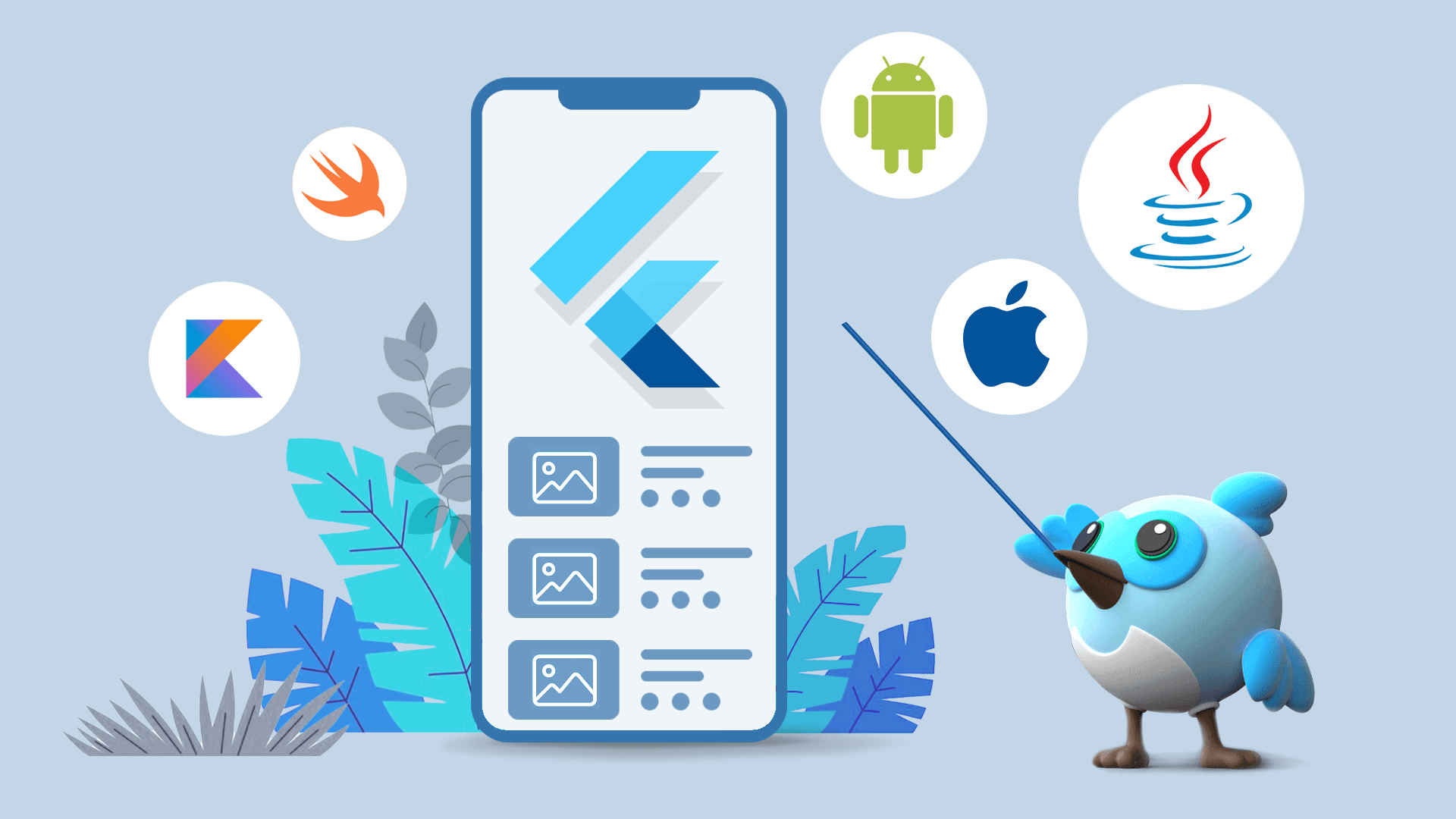
For many organizations that are growing rapidly budgetary constraints and competitive pressures mean that the launch of two separate operating systems simultaneously could put a huge strain on resources. Choosing an elite cross-platform app development strategy resolves this dilemma by allowing a unified development team to build, test, and maintain a single codebase that runs beautifully on both platforms. This approach cuts the typical launch time by several months and allows companies to gather feedback from their users for just a tiny fraction of the costs. Brands can design highly stylized and pixel-perfect user interfaces by selecting an app developer who specializes in this technology. This will ensure that the user experience is consistent on every device. With an established foundation of automated testing and strong background data sync, this cross-platform approach provides the best balance between fast market access and efficient execution.
Engaging users in a sustainable and sustainable way
The success of mobile launches is determined by the long-term behavior of the users, not just short-term download spikes. The best mobile architecture builds key behavioral triggers right into the tech stack, ensuring that onboarding flows deliver value within the first 60 seconds, that local data caches easily during unexpected cellular drops and that notification systems keep the focus of the user. If your team is working on a minimal viable product that can be shipped quickly in order to demonstrate market value or if you are building an enterprise-level system that has strict regulations for data compliance and the primary focus is on the core is the same. Digital Heroes will help you build a strong digital asset by agreeing to a logical engineering process which is structured and predictable, while also respecting your users’ schedules and performance of the device.