Pump stations may seem like a basic utility structure from the exterior, but in reality, no two projects are exactly the same. Some sites may need to move wastewater uphill from a newly constructed housing development, while another could need to ensure water pressure is maintained across a commercial property with changing elevations and growing demand. Certain projects are industrial, and others are municipal. Each has its own requirements for designs, regulations, as well as long-term objectives.
This is why pumping systems should not be approached with a one-size-fits-all mindset. A successful station has to be built around the realities of the area, the flows, the owner demands, and the long-term goals of the property it serves. Romtec Utilities approaches each project from this perspective, customizing the pumping system to your project’s requirements instead of forcing a generic solution to be implemented.
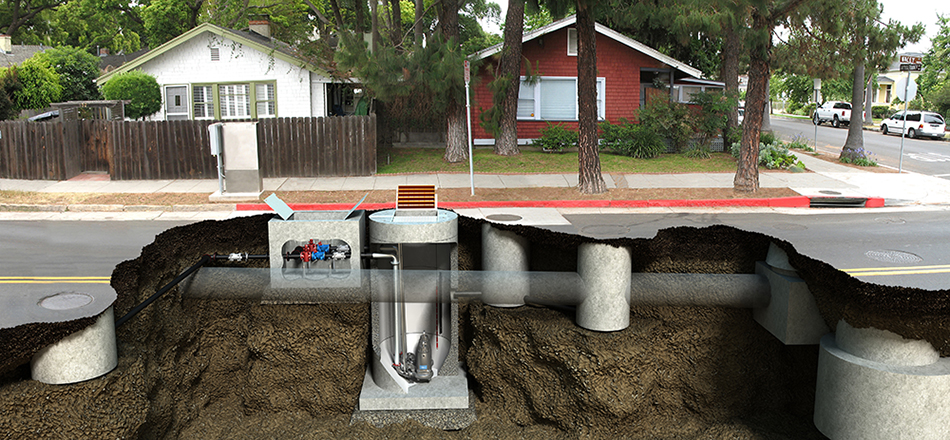
Pumping goes beyond moving water.
Pumping stations are made to transport water or waste where gravity cannot. It is not sufficient to design a system which does the job. It must also be reliable, efficient, easy to maintain, and fully compliant with the requirements of state and local authorities. It must work in real life not just on paper.
It includes everything, from the structural design, wet well size, to controls, electrical equipment communication systems, and access for the crews. If any of these components is poorly designed it could cause problems in operation for many long time to be. This is one reason owners and engineers place so much value on working with the best lift station designers. Experience matters when you are trying to balance hydraulic performance, long-term durability, budget, and site limitations all at once.
Romtec Utilities brings those disciplines all under one umbrella. Instead of having customers deal with multiple vendors for different components of the station Romtec Utilities takes care of the mechanical, structural, electrical, and communications components as a complete system. The single source solution will save time during the design phase, cut down on confusion during procurement and smooth out installation.
If properly designed when designed properly, packages pumping systems can reduce complexity.
A packaged pumping system can simplify infrastructure projects as it integrates key components into a single solution. However, the real value is from the way in which that package is designed. Unmatched systems can cause issues with performance, over-use of equipment, unneeded costs, and long-term maintenance issues.
Romtec Utilities approaches each package as a completely engineered system rather than a catalog product. This means choosing the best valves, pumps, and control systems for your particular site, as well as the enclosures, piping and enclosure options. This includes thinking about how the system will work to be maintained, monitored and monitored. In the case of utilities, careful coordination during the planning stage can help avoid bigger problems in the future.
Booster Pump Stations address a different kind of issue in infrastructure
Not all projects are about wastewater. In many development, maintaining the pressure of water is just as crucial as transferring sewer. This is where booster pumps serve a vital role. They are built to keep water moving efficiently through distribution systems when elevation changes, long pipe runs or peak demand would otherwise create pressure issues.
The structure of booster systems is generally different from other types of systems. They could require control buildings, variable-frequency drives, SCADA integration and telemetry. Romtec Utilities designs these stations using the same specialized approach as wastewater systems, ensuring that the final product works both operationally and functionally.
Better planning results in greater long-term results
Romtec Utilities offers early design assistance to customers. This is one of its best features. The engineering and design support enables project teams to better understand the scope, configuration, and cost of an installation before they begin the procurement or construction. That can make a major difference for developers, consultants, and public agencies seeking to keep projects on schedule and within budget.
No matter if you need a wastewater lift station, a package pumping system or even one of the many custom booster pump stations it all comes down to planning. A good design partner will accomplish more than provide the equipment. A good design partner can help create a solution that works for the site and meets the needs of the owner.
The most reliable utility systems that function are typically those that aren’t noticed by the public. think about because they work. This level of reliability isn’t something that simply happens. This is the result of carefully planned engineering, coordination and experience in designing each system to meet the needs of the project.