Computer Numerical Control machining (CNC) has revolutionized engineering and manufacturing over the last few decades. CNC machineries, which combine modern technology with traditional manufacturing techniques, has emerged as the most popular method of manufacturing high-precision components and products that are used in a range of industries. This article focuses on the mechanics and benefits and various applications of CNC machining in order to demonstrate the impact it has on modern engineering.
The mechanism of CNC Machining
CNC Machining, also referred as subtractive manufacturing is a method that uses a tool to remove material in order to create a desired shape from an unfinished piece of metal. This process is guided by computer software that has been pre-programmed and dictates the movements of the machine. The code created for CNC machines varies based on the type of machine as well as the complexity of the product being made. But, the idea remains the same. the high-speed cutter precisely cuts away material to form the finished product.
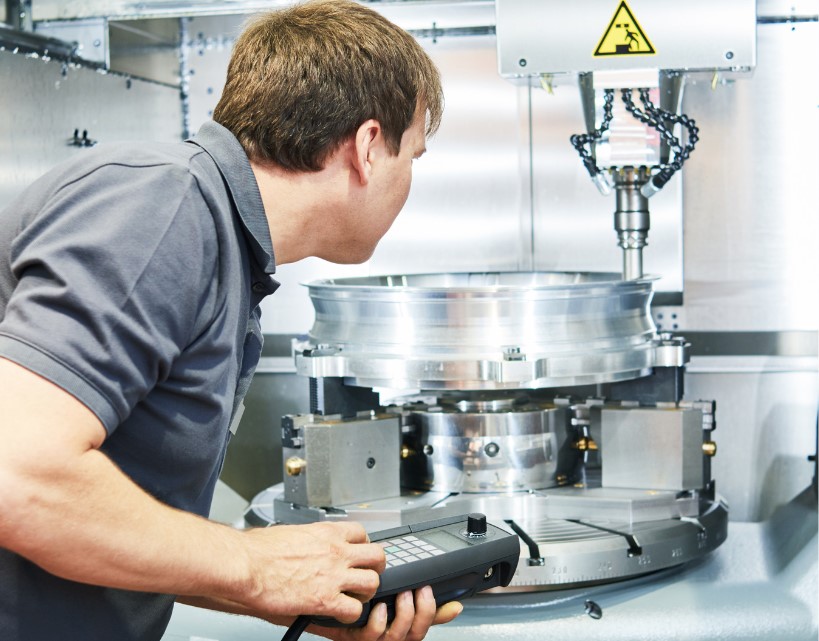
Precision is the primary benefit of CNC cutting. Digitalization allows for highly precise and constant production. It reduces the risk of human error and guarantees uniformity between batches. This level of accuracy is essential in areas like aerospace and medical devices.
Digital Computers and their role in CNC Machine Operations
CNC Machining is a very precise and efficient process that relies on the digital technology. CNC machines are operated by special software that manages the entire manufacturing process. This software converts computer-aided design (CAD) models into a series of precise instructions, which the CNC machine then follows to create the part. These instructions determine every aspect of the process, from the direction and speed of the tool used to cut, as well as the angle and depth of each cut.
In larger industrial facilities computers are often integrated directly into CNC machines to allow for seamless control and communication. This integration permits constant adjustments in real time and monitors to ensure the highest performance and decrease the time between repairs. Automation of CNC machines also allows for continuous operation, greatly increasing productivity while reducing lead times.
The Benefits of CNC Machining
CNC machining is a highly efficient method of manufacturing. The ability to create intricate and complex components with high precision is one of the biggest advantages. The precision of CNC machining eliminates the requirement to make manual adjustments or rework, reducing waste and increasing efficiency. CNC machines also have the ability to operate in a continuous manner. This makes them suitable for large-scale production runs.
CNC processing is also adaptable. Through the modification of the program, the same machine can create a variety of parts. CNC is a machine that can be utilized to produce large quantities and prototyping thanks to its adaptability.
Automating CNC machines improves safety at work. In reducing the requirement for manual intervention, the chance of injury and accidents is decreased. The constant quality of CNC machines improves the reliability and performance of the products, contributing to the satisfaction of customers.
Industries Benefiting from CNC Machining Services
CNC machineries are utilized in a myriad of industries, all benefiting from its efficiency, precision and adaptability. CNC machines employed in the aerospace sector produce components that have to meet high safety and performance standards. CNC machines are used in the medical device sector to create sophisticated surgical instruments and implants. Precision is of paramount importance.
CNC machineries can be utilized to make engine components such as transmissions, intricate interior and exterior components, and even complex interior and exterior designs for the automotive sector. The electronics industry also benefits from CNC manufacturing’s ability to make small, detailed parts for consumer electronics and communications devices. Even the art and jewelry industries leverage CNC technology to produce intricate designs and bespoke pieces.
The Future of CNC Machining
CNC capabilities for machining are anticipated to expand as technology advances. Multi-axis CNC machining as well as additive manufacturing integration will continue pushing the limits of CNC technology. Also, the continuing development of artificial intelligence as well as machine learning could boost the effectiveness and precision of CNC manufacturing processes.
CNC machine is a highly efficient instrument that has had a profound impact on manufacturing and engineering in the present. It has unbeatable precision, flexibility, and efficiency. The ability to create complicated components with high precision makes it a vital tool for various industries. As technology advances, CNC machining will undoubtedly remain a vital role in shaping the future of manufacturing.