The park district has approved funds for the construction of a public restroom. The location was chosen The building looks good and the project team is set to move forward.
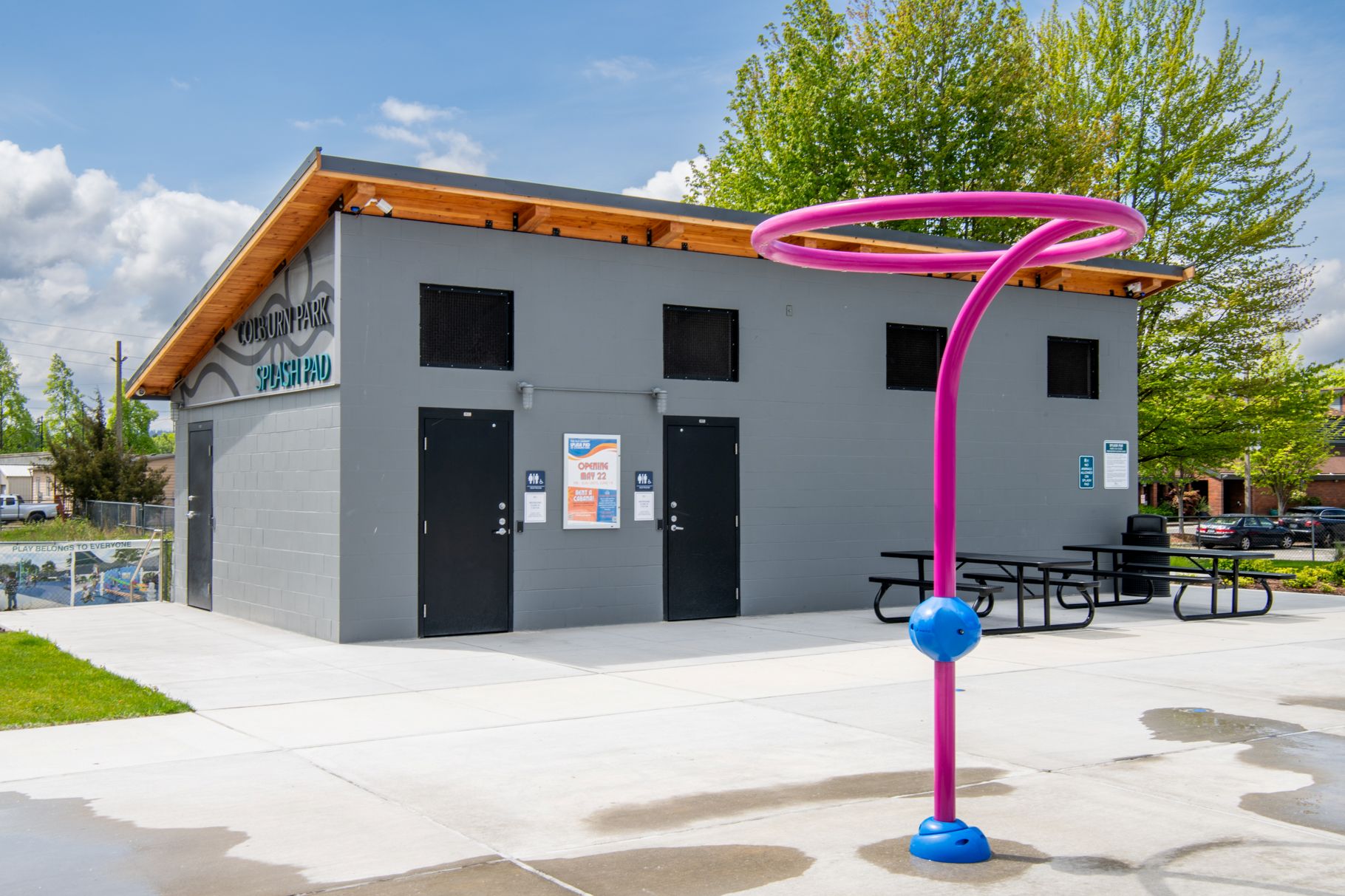
Image credit: romtec.com
Then the contractor begins reviewing the site. The chosen location has drainage problems. The utility connections are further away than expected. The delivery vehicle could struggle to get to the area of installation, and the selected construction layout isn’t in line with the space available.
These issues do not always suggest that the project cannot proceed. However, they can result in redesigns, extra costs, and delays in construction. Developers and public agencies can manage a bathroom project much better if the construction conditions are considered from the start.
A Drawing of a Building doesn’t tell the entire story
Before selecting prefabricated park restroom buildings, project teams should understand what the surrounding property can accommodate. The slope of the site, soil conditions, drainage utilities, utility accessibility, and access to construction could all affect the installation.
A restroom near a playground, for example could require being connected to the existing infrastructure of water and sewer. If the connections aren’t available or expensive to extend, the project may need another sanitation strategy.
Alongside the codes in force and accessibility standards, site-specific conditions must be taken into consideration when determining the foundation and placement of a building. A typical layout for a building may look suitable on paper but it will require substantial changes after the details are analyzed.
Urban Projects have their own construction restrictions
To install sidewalk restrooms, it is necessary to have more than just a space that is compact. On sidewalks are generally underground infrastructure, pedestrian routes, and street furniture. Coordinating construction work with local authorities could be required.
A bathroom placed too close to a utility corridor may cause problems with excavation or foundation work. Accessibility is another thing to take into account. The entrance and the entrance must satisfy all requirements applicable to the project.
Romtec offers ADA-focused and customizable single-user restroom units, including options for door and sink positioning. These design choices enable project teams to respond to the physical limitations of the site while also planning for practical public use.
Are you without a sewer Connection? Look at the alternatives
Remote recreation sites pose a unique infrastructure challenge. The trailhead could be far away from the nearest sewerage which makes flushing toilets a non-sensical option.
When placed in the right locations, vault toilets provide the option of water-free toilets. Instead of transferring wastewater through a sewer system, these toilets store waste in an underground vault that has to be cleaned regularly.
The option of vault toilets doesn’t completely eliminate the need for the site’s planning. The project will still require the right conditions for ground and access to the equipment for servicing, as well as appropriate ventilation.
Romtec makes water-free vault restrooms with Sweet-Smelling Technologies (SST) A technology which is developed to eliminate smells through ventilation. When you have a remote property, choosing the sanitation system in advance can prevent costly changes to the design of the building later.
The coordination of construction begins prior to delivery.
Prefabricated construction is frequently misinterpreted as being pre-decided by the builder. In reality, site preparation and foundation requirements, utilities connections, accessibility, and local approvals are still required to be coordinated. Romtec approaches these projects through customizable building kits and design assistance instead of relying on the standard, fixed-in-shape structures.
The company works with landscaping architects, contractors and project owners to match building specifications with individual site requirements. This is especially useful when a bathroom has to match a specific style of architecture or meet peculiar property conditions.
The best questions are ones that result in better projects
Owners must decide how utilities will be brought to the structure, what construction equipment can get to the site and what approvals are needed prior to making a decision on the purchase of restrooms.
They should also understand whether the system chosen for sanitation is appropriate for the expected number of visitors, and whether the building can be installed without significant changes to the surrounding infrastructure.
These questions might seem less interesting than selecting architectural features or exterior finishes however, they can have a greater influence on project cost and the timetable.
A successful public restroom project isn’t simply one that delivers an establishment on time. The site, the building infrastructure as well as the construction process and its intended use are all considered. When these decisions are taken earlier, the bathroom has a stronger foundation for serving the community in a way that is efficient.