Before anyone could take a picture or look at, or even put Megalodon teeth on a shelf it was doing something less tranquil. It was one of the biggest predatory sharks known to ever live in the oceans on Earth. The tooth fell out. It was the end for most objects. For dinosaur fossils, this can be the beginning of a new story.
The fossils provided by Fossil Driven have gone through the geological processes that are not measured in centuries or years but in millions of years. Understanding the journey can change the way you view the fossil. You are no longer looking at a fascinating object. You are seeing the physical evidence of a long-gone world.
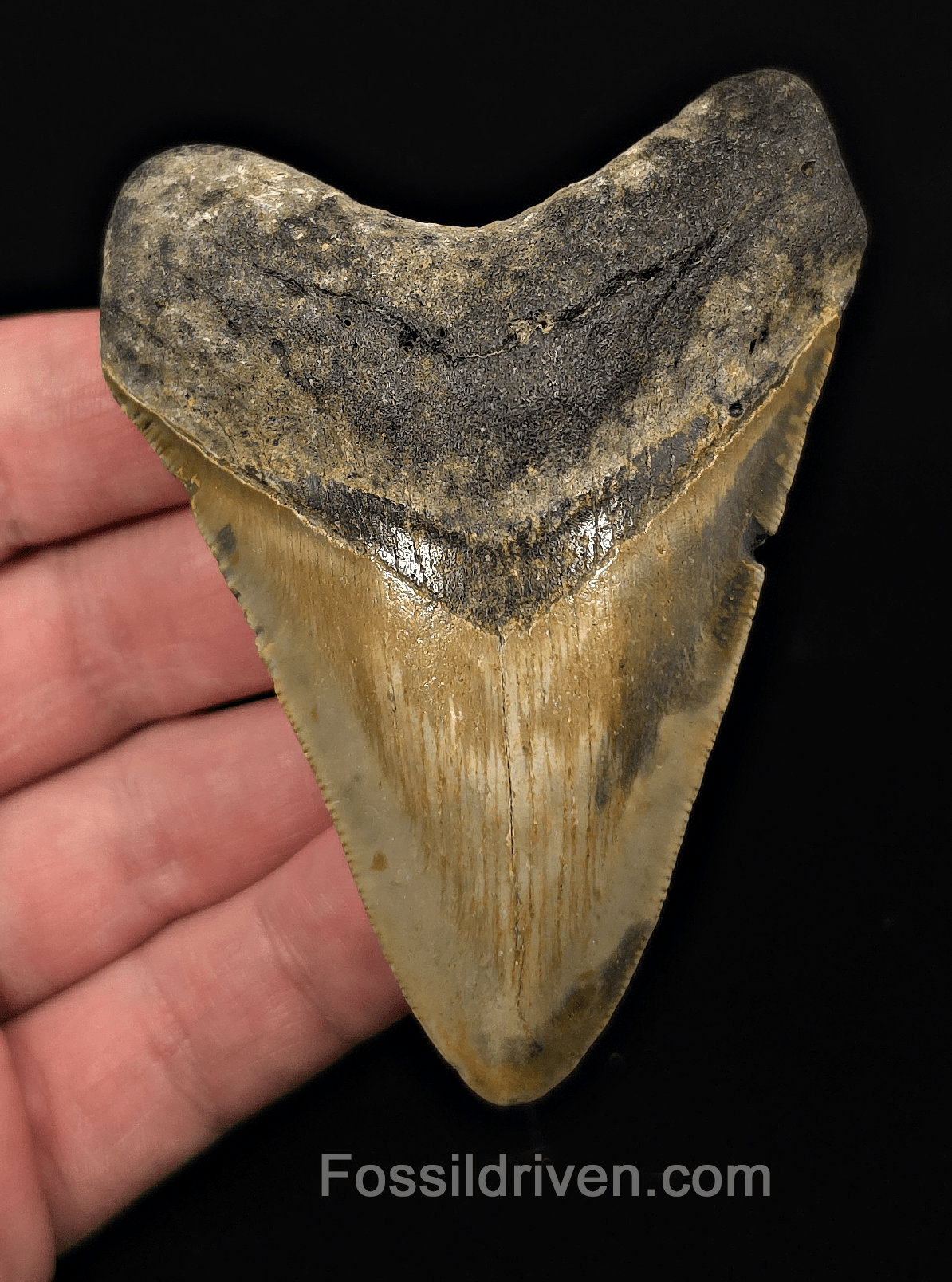
Image credit: fossildriven.com
The First Station: An Ancient Ocean
Take Megalodon’s tooth from West Java in Indonesia. About 20 million years ago, warm marine habitats were prevalent in the dry regions of today. Megalodon sharks lived in those waters, along with a myriad of other types of marine life.
Similar to modern sharks, Megalodon constantly produced and lost teeth. Some of the teeth became part of marine sediments. In the right conditions burial can protect them until they are fossilized.
Then Geology Suddenly Takes Over
The next chapter unfolded incredibly slow. Sediments built up. Minerals were able to react with the material that was buried. Geological forces altered landscapes and the environments that used to been underwater eventually were transformed into the landscape we see today. The processes behind the differences in color of fossil teeth is what customers see when they look at Megalodon tooth specimens for auction.
Indonesian specimens discovered in West Java’s Miocene Bentang Formation are typically dark brown, golden, blue, red or black. Some even display several shades on a single tooth. The minerals surrounding an object can affect the hue of a specimen following a long burial. The result is that it is not possible to produce in mass through nature. Each fossil has the geological evolution of its own.
Discovery Begins Another Chapter
In the end, a fossil that has been hidden for millions of years is recovered. Identification and documentation are now crucial.
When collectors browse authentic megalodon teeth for sale, they aren’t only evaluating appearance. That’s why they need to know about the geological preservation, location, and repairs.
Natural wear won’t erase a fossil’s story. It’s possible that the worn tip or a faulty root along with a slack serration are all part of the specimen’s past. What matters is representing its condition in a precise manner.
Fossil Driven’s experience with fossil identification goes back more than thirteen years. We work with well-established fossil hunters and suppliers. If possible, fossils are described, and then analyzed using all relevant information.
At some point the Fossil gets into the hands of someone else
Real Fossils are purchased for many different reasons. Certain collectors have carefully categorized collections. Some prefer a single dramatic piece that sparks conversations. A child that is fascinated by the fossils from the past could receive a first genuine fossil that starts an ongoing interest in paleontology.
Megalodon’s teeth are just one way to enter that world. Trilobites, dinosaur molars, and ammonites belong to the many fossils that relive Earth’s long-lost past.
The most satisfying part is knowing that it’s true
Replicas can recreate the general shape and size of a tooth that was found in prehistory. It can’t reproduce its past. The original Megalodon tooth existed in an ancient animal, entered an environment that was completely different from the one we know today and remained in place through geological changes. remained buried for millions of years, and was later discovered.
This is why authenticity is essential. You are holding a specimen that has created a virtually unimaginable journey through time. The display case is merely the latest stage.